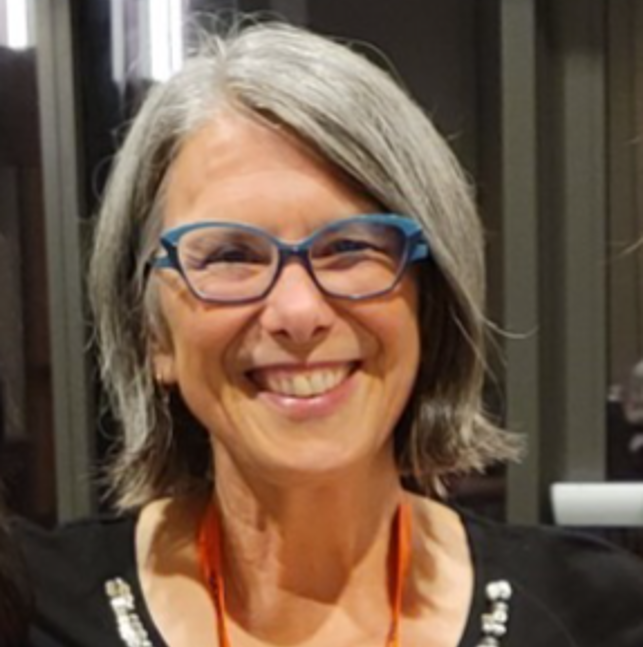
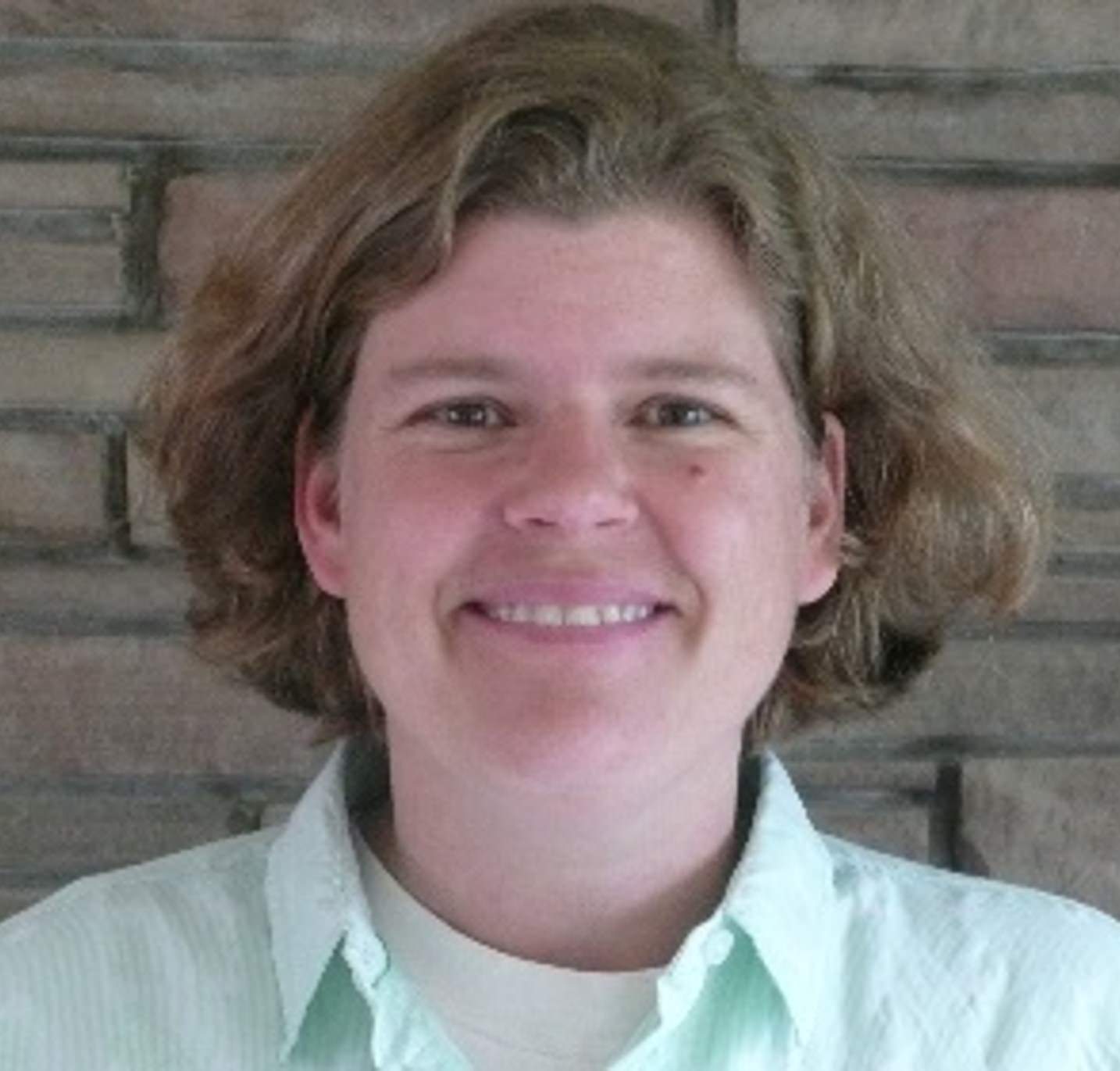
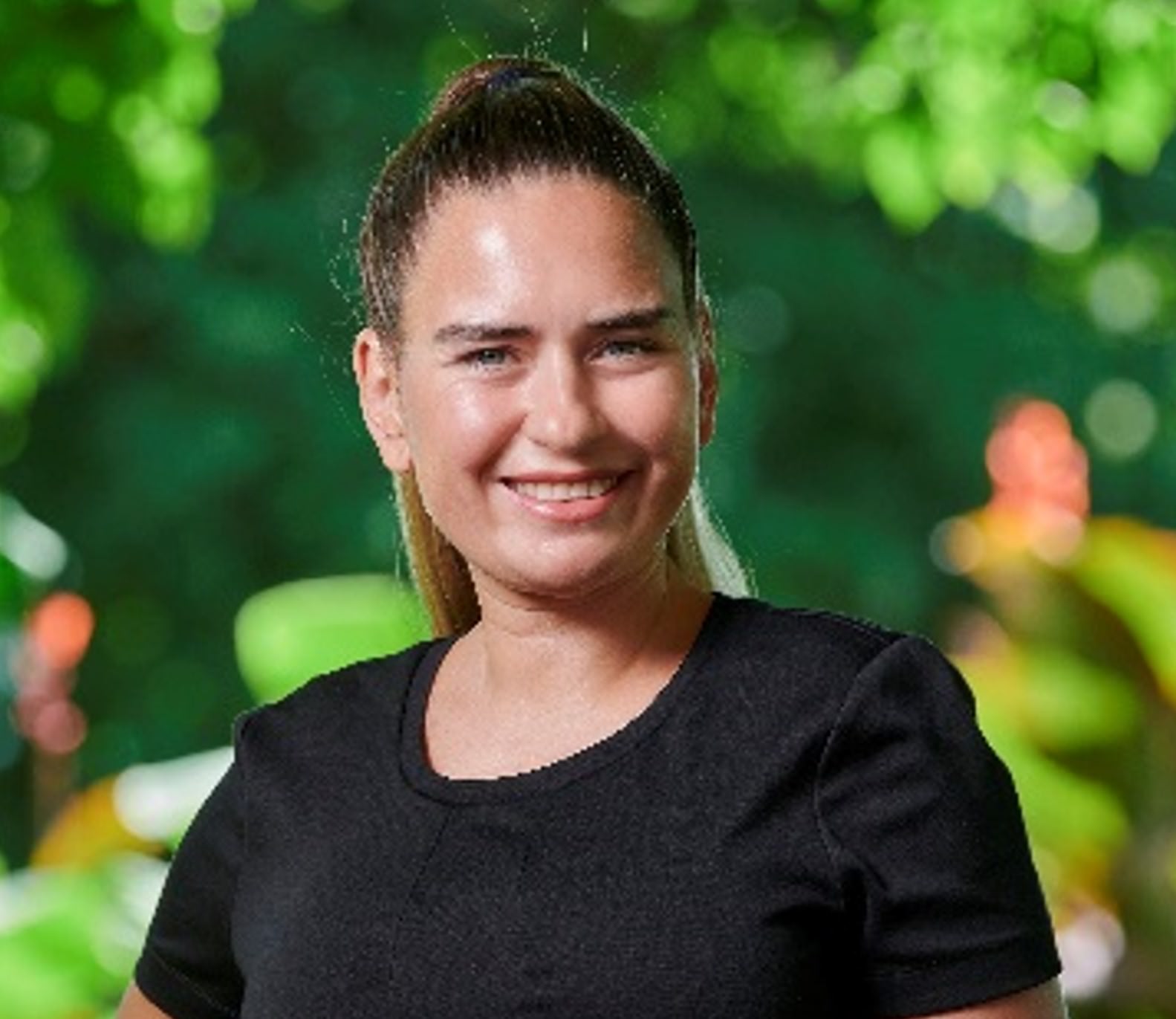
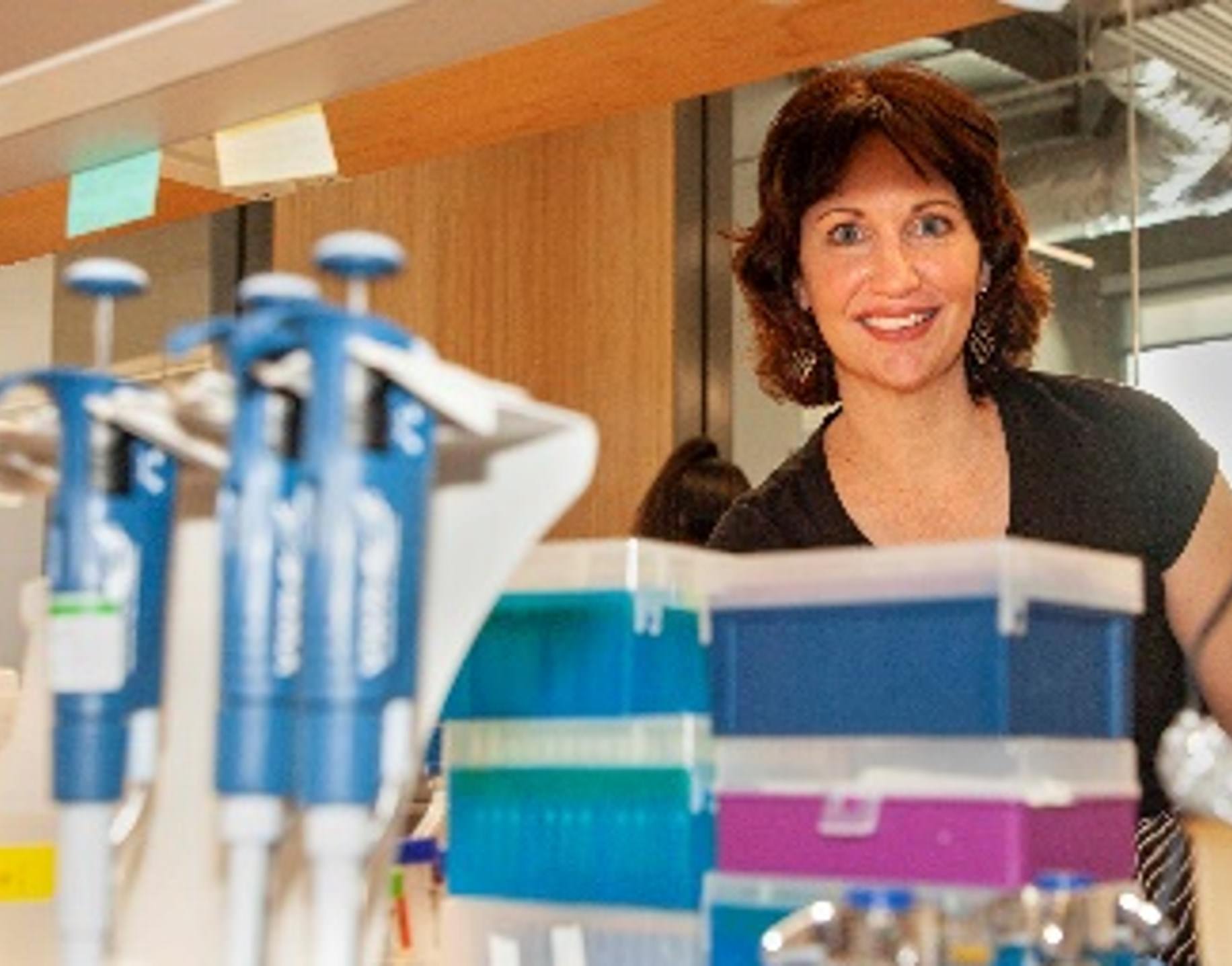
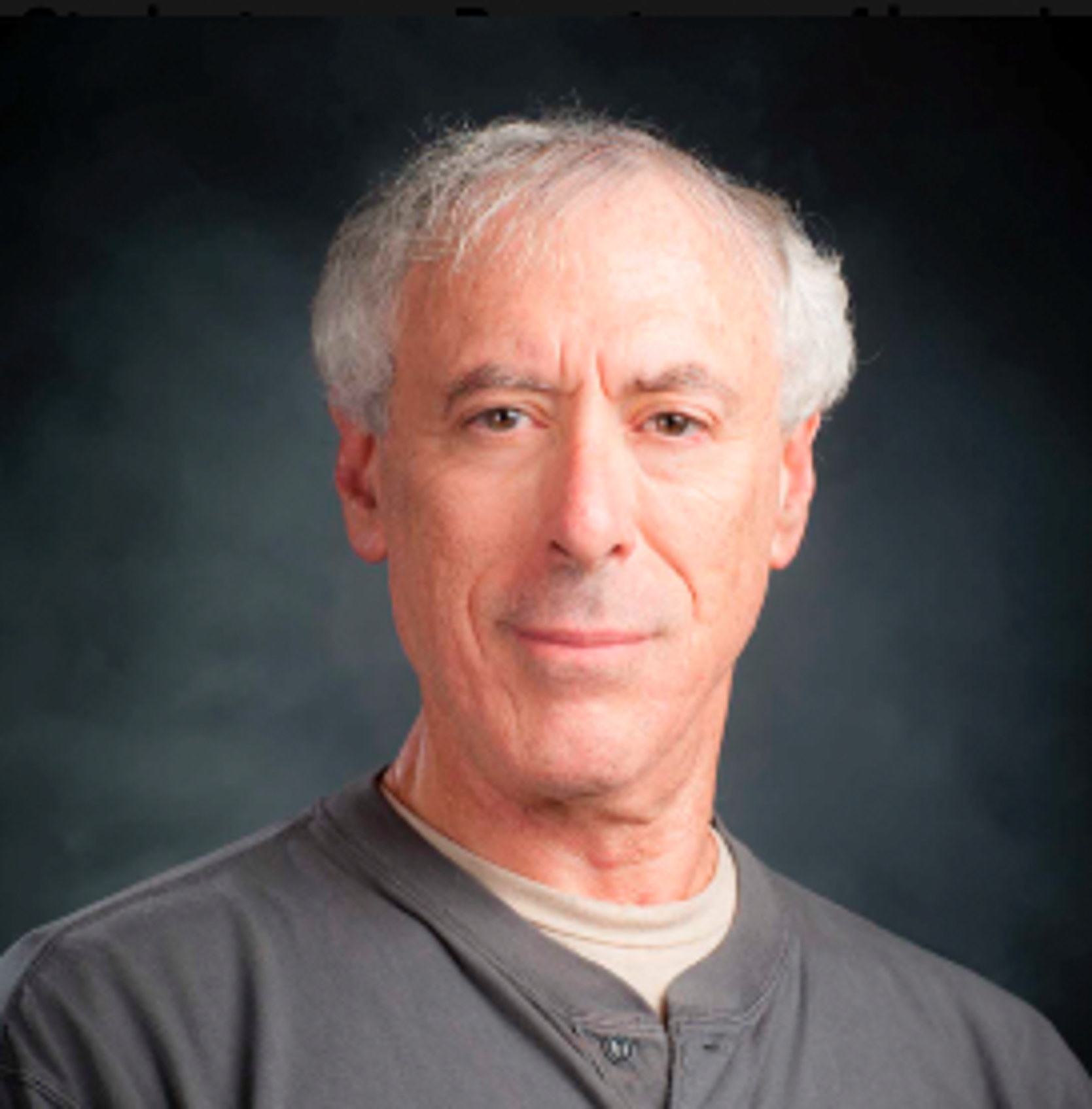
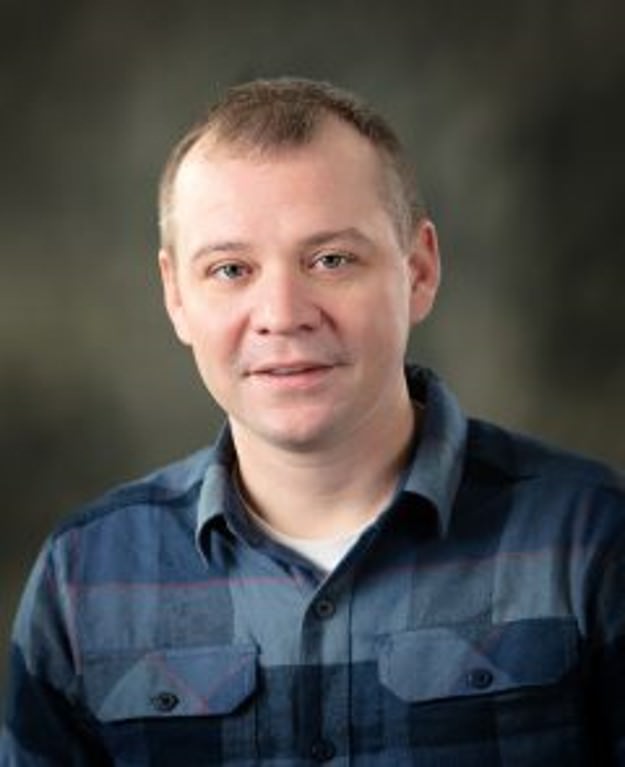
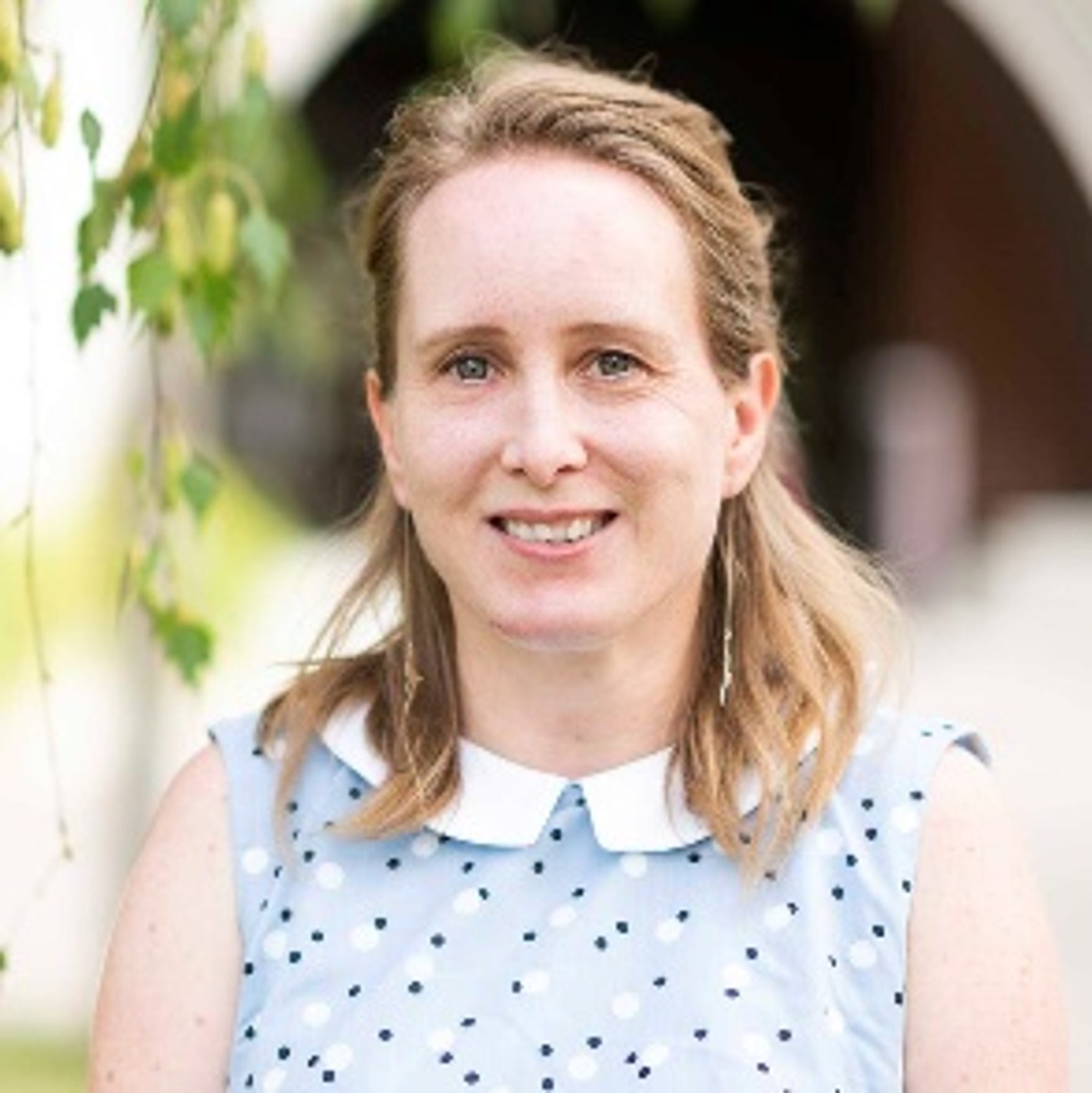
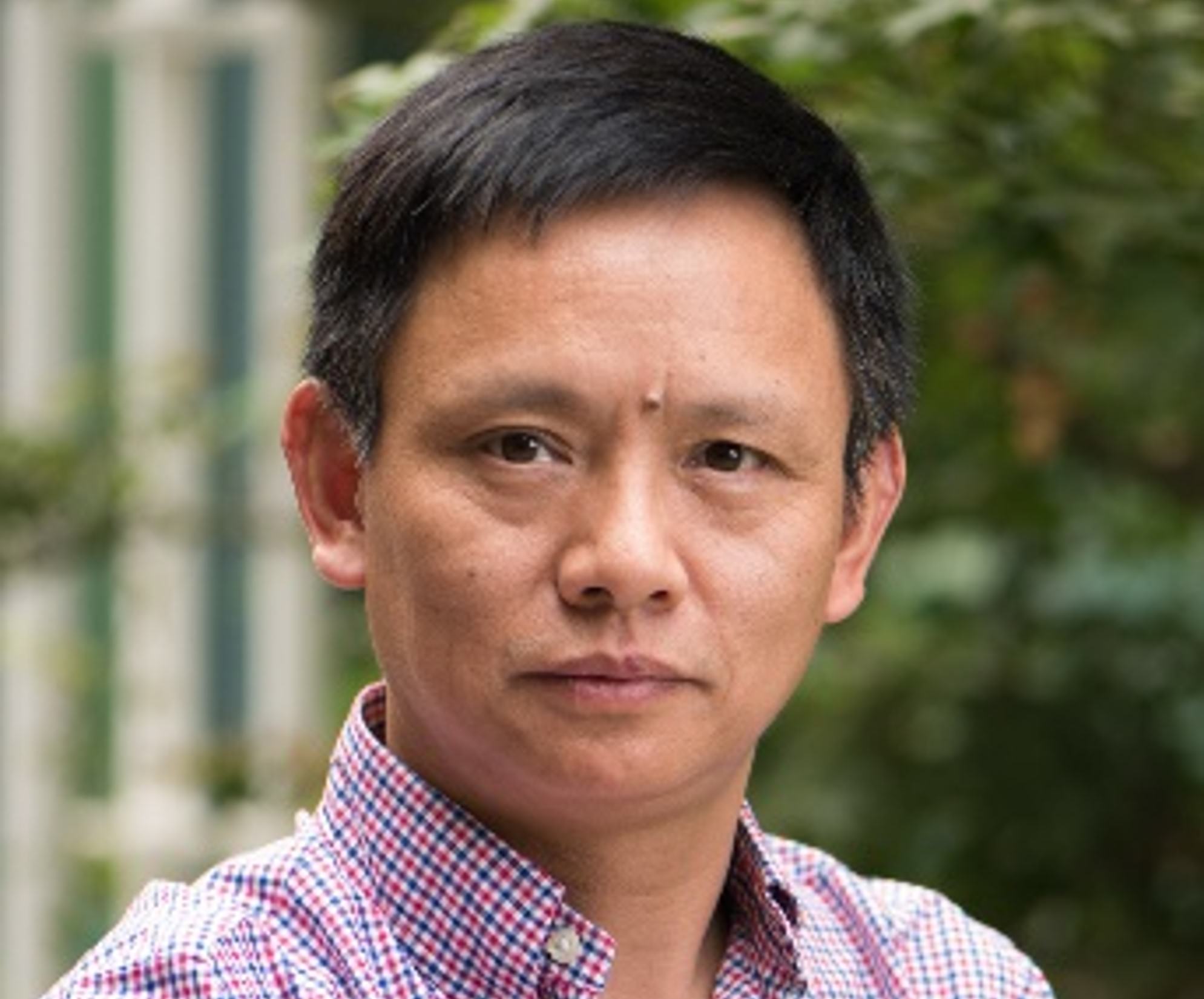
PAPAS is spear-headed by Louise-Marie Dandurand (Project Director) from the University of Idaho and Co-Project Directors: Joe Kuhl and Philip Watson from the University of Idaho, Cynthia Gleason from Washington State University, Marisol Quintanilla from Michigan State University, and Inga Zasada from USDA-ARS Corvallis. The team is comprised of a total of 17 Principal Investigators (PIs) from six institutions who each work on one or more objectives.
Project Director
Louise-Marie Dandurand is a plant pathologist in the Department of Entomology, Plant Pathology, and Nematology at the University of Idaho. Over the past decade, she has been leading research efforts to mitigate the impact of the pale cyst nematode in Idaho. She is the Project Director of the PAPAS CAP funded through the NIFA SCRI program.
“We’re an enthusiastic group of researchers ready to deliver solutions to potato growers dealing with nematode infestations.”
Co-Project Directors
Joseph Kuhl is an associate professor of plant genetics at the University of Idaho and has been investigating potato cyst nematode resistance from S. sisymbriifolium. Dr. Kuhl has also developed the use of molecular markers associated with potato cyst nematode resistance for incorporation of resistance into russet-type cultivars. He has given numerous talks about resistance and has extensive experience working with stakeholders.
“Establishing better resistance to nematodes will provide potato growers more options for control.”
Inga Zasada is a Research Plant Pathologist with USDA-ARS in Corvallis, OR. Dr. Zasada’s research program focuses on a plant-parasitic nematode management in a diversity of crops, including potato. Dr. Zasada will lead the effort to improve nematode diagnostic resources and implement predictive models to provide potato growers with more information to support nematode management decisions.
“Potato growers need to have information about nematode damage potential to be able to make informed management decisions.”
Marisol Quintanilla is an assistant professor of nematology at Michigan State University. Marisol’s work focuses on applied solutions to nematodes in seven commodity groups in Michigan and beyond. She has conducted numerous extension efforts, including talks, field days, and posters, about nematode management in potatoes.
“To assist with extending nematode control information to potato growers and provide more effective options for control.”
Cynthia Gleason is an associate professor at Washington State University (WSU) in the Department of Plant Pathology and received her Ph.D. working in root-knot nematodes from UC Davis. She established her own research program in molecular nematology at Georg August University (Germany). In 2016, Dr. Gleason moved to WSU, where her research lab focuses on root-knot nematode biology and resistance to root-knot nematodes in potatoes. Dr. Gleason is a Co-PI, and she will lead the effort to identify nematicidal compounds from the nematode-resistant plant called litchi tomato.
“Litchi tomato (Solanum sissymbrifolium) is an amazing plant because it is resistant to the most damaging species of plant parasitic nematodes in potatoes. We think that the roots are releasing chemicals that are toxic to nematodes, and discovering what they are and how they are working would be an exciting discovery of natural pesticides.“
Dr. Philip Watson is currently a Professor of Applied Economics at the University of Idaho. He conducts research on regional economic development and agricultural policy analysis and has published extensively on these topics. He has previously worked for the U.S. Department of Commerce and the U.S. Department of Agriculture and has taught courses at the University of Idaho, Colorado State University, Washington State University, and the University of Cordoba in Spain. Dr. Watson will estimate the economic impacts of nematode damage on potato production and of nematode control on regional economies across the U.S.A.
“I am excited to investigate how improving potato nematode control will impact the economies of regions around the country.”
Project Investigators
Walter De Jong is a potato breeder in the School of Integrative Plant Science at Cornell University. Over the past two decades, he has developed several commercially successful cultivars (e.g., Lamoka, Waneta, Lehigh) resistant to race 1 of the golden cyst nematode. In this project, his team will focus on breeding cultivars resistant to race 2 of the golden nematode and race 2/3 of the pale cyst nematode.
“Resistant potato varieties represent both the least expensive and most sustainable means of controlling potato nematodes. Resistant varieties are difficult to develop, but oh so worth it.”
Ananth Kalyanaraman will lead the development of AI and data science tools for decision support for nematode management in potatoes while creating a collaborative partnership with the NIFA-funded AgAID AI Institute for longer-term agricultural decision support.
“AI and data science tools have an important role to play in delivering robust decision support in farms. We will develop tools for modeling nematode risk assessment and management for potato farms. The project will also benefit from the partnership with the AgAID Institute, which is a NIFA-funded AI Institute.”
Alan Caplan is a faculty member at the University of Idaho, but his training in Genetic Engineering began while he worked at the University of Gent in Belgium. Starting from nothing, his team developed tools so that people could make meaningful changes in a plant’s genome to protect it from disease. He is excited to contribute these techniques to the PAPAS program to enhance nematode resistance in potatoes. His part is identifying genes responsible for making another plant, litchi tomato, nematode resistant, so we can bring them into commercial potatoes to establish effective defenses there.
“A very humble South American weed may hand us a blueprint for the development of nematode-resistant crops if we are persistent enough to seek it.”
Rich Novy is a potato breeder/geneticist with the USDA-Agricultural Research Service in Aberdeen, Idaho. He is a member of the Northwest (Tri-State) Potato Variety Development team comprised of state and federal researchers in Idaho, Oregon, and Washington. During his 27-year career as a potato breeder, he has contributed to releasing of 47 potato varieties, most notably Alturas, Teton Russet, and Clearwater Russet, which are among the more widely grown potato varieties in the United States. Dr. Novy’s role is in Objective #2 and involves the introgression of nematode resistance into potato germplasm suitable for use as new varieties by industry.
“Plant resistance can be an important component in controlling nematodes.”
Max Feldman is a Research Geneticist for the USDA-ARS focused on potato pre-breeding and genetics. The main objectives of his group are to identify resistance traits from breeding lines or potato wild relative species and introgress these traits into acceptable cultivars using a combination of genetic mapping, marker assisted selection, and phenotypic evaluation.
“Identifying potato germplasm harboring nematode resistance and advancing these resistance traits into marketable potato varieties is an important goal for economic and environmental sustainability.”
Inna E. Popova, Ph.D., is an Assistant Professor at the Soil Science Department, University of Wisconsin-Madison. She specializes in the extraction and characterization of natural compounds with biopesticide properties and assessing their fate in the environment. Before her current position, Dr. Popova worked for 10 years at the University of Idaho, developing an efficient biopesticidal formulation for the control of pale cyst nematodes. Dr. Popova holds a patent for the production of mustard-based biopesticide.
“It is exciting to be a part of this great effort to explore and apply smart nematocide chemistry of promising yet underutilized plants such as Solanum sisymbriifolium.”
Fangming Xiao is a professor of molecular plant pathology at the University of Idaho. Dr. Xiao has been working on the molecular basis of potato-nematode interactions, focusing on the characterization of nematode effectors and investigation of defense signaling in potatoes. Dr. Xiao’s role in Objective #2 is to find novel nematode resistance genes from litchi tomato (S. sisymbriifolium) using molecular and biochemical approaches and eventually introduce them into commercial potato cultivars.
“Litchi tomato (Solanum sisymbriifolium) is a “cousin” species of potato and naturally resistant to both cyst and root-knot nematodes. It has “new” resistance genes for us to develop nematode resistant potatoes.”
Rhett Spear was raised on a commercial farm in southern Idaho, growing sugar beets, alfalfa, and small grains. He received a Bachelor’s degree from Utah State University in chemistry and a Ph.D. in Horticulture focusing on potato production from Washington State University. Following graduation, he worked for four years as the agronomist at McCain Foods in Burley, ID, before accepting his current position as an Assistant Professor and the Potato Variety Development Specialist at the University of Idaho Research and Extension Center located in Aberdeen, ID.
Jonathan Whitworth is a plant pathologist with the USDA-Agricultural Research Service in Aberdeen, Idaho. His work is done within the potato breeding program with goals to develop industry-acceptable varieties with resistance to nematodes and other production constraints such as viruses. He has worked in this position for 20 years, with prior experience in seed potato certification in Idaho and Colorado for 10 years.
“Combining broadscale potato cyst nematode resistance into new varieties will allow sustainable control.”
Xiaohong Wang is a Research Molecular Nematologist in the Emerging Pests and Pathogens Research program for USDA-ARS in Ithaca, NY. Dr. Wang directs the golden nematode research program and is involved in finding novel sources of resistance to potato cyst nematodes from wild potato species.
Sagar Sathuvalli is a potato breeder and an associate professor of Plant Breeding and Genetics at Oregon State University. He holds the Oregon Potato Research/Extension Endowed Professorship. He networks broadly across the United States and internationally for potato improvement and is especially interested in developing new russet potato varieties with improved resistance to biotic and abiotic stress responses and developing genetic and genomic resources for potatoes. He will focus on developing new potato varieties with improved resistance to different races of Columbia root knot nematodes.
“For improved soil health, planting resistant potato cultivars is the most economical and sustainable way to control soil-borne pathogens including nematodes”
ACKNOWLEDGEMENT: This work is supported by the USDA National Institute of Food and Agriculture (NIFA) award number 2022-51181-38450.