In late March, eight Culinary Medicine health professionals gathered at the Spud Lab in Denver for a “Tuber U” Culinary Medicine Immersion designed to educate them on the many ways potatoes fit into culinary nutrition education.
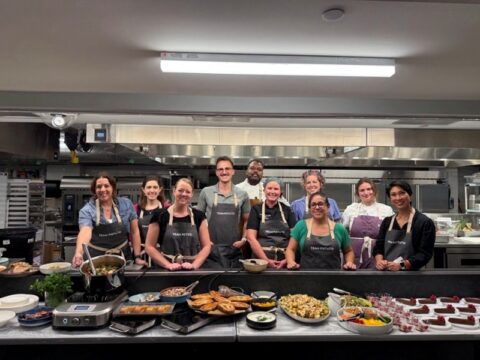
Culinary Medicine is a discipline of health education that marries culinary techniques and application with nutrition science. Health professionals using this evidence-based approach equip their clients and patients to better manage and prevent chronic disease by making nutritious foods delicious.
The attendees brought expertise in culinary medicine education across healthcare, public health, and academic settings. New York City Health+, Bastyr University, AdventHealth, Tampa General Hospital, and Metropolitan State University of Denver were among the institutions represented by Tuber U attendees.
The immersion began with a visit to the Colorado State University Spur, a public-facing campus dedicated to enhancing hands-on learning, research, and community engagement in food, water, and health. There, attendees participated in a guided tasting panel exploring the sensory qualities of various potato varieties. This set the stage for the following day’s deep dive at Potatoes USA headquarters, where participants were welcomed with an introduction to the industry and the organization’s mission of strengthening demand for potatoes through nutrition and culinary education.
Potatoes USA chefs led demonstrations that showcased the cultural relevance and global versatility of potatoes, followed by a hands-on cooking class where attendees prepared vegetable-forward dishes using fresh, frozen, and dehydrated potatoes. These activities emphasized how potatoes can be integrated into Culinary Medicine curricula to support chronic disease prevention and patient engagement.
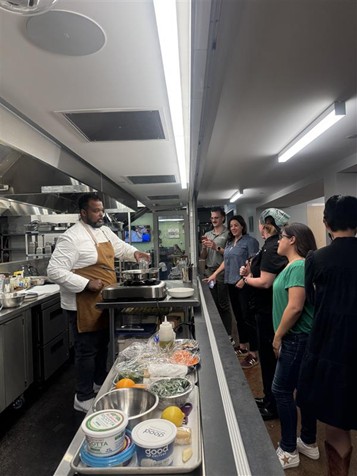
One participant said, “Chef RJ [Harvey] gave me a newfound respect for finding ways to use frozen and dehydrated potatoes…the gnocchi was out of this world! And his presentation that showed the many ways potatoes are used in dishes around the world gave me some creative inspiration. I also loved thinking about them as a safe and friendly companion vegetable to other vegetables.”
Nutrition presentations, collaborative discussions, and shared potato-centric meals rounded out the experience, giving participants the opportunity to exchange insights from their own work in healthcare, public health, and academia.
“I left with more research and resources of evidence-based studies to support including potatoes for many health conditions,” another participant said. “Additionally, as I have always practiced an abundance mindset in nutrition, it was helpful to be reminded of all the cultures that include potatoes as a canvas or companion vegetable, allowing us to add to our plates with culturally relevant food, including potatoes.”
Finally, one confirmed the event will change their behavior in the future: “Previously, I encouraged sweet potatoes over white potatoes but never demonized white potatoes. I will put them on the same playing field going forward.”
Their feedback offered a valuable perspective on how Potatoes USA can continue to support Culinary Medicine initiatives through evidence-based nutrition resources and practical potato culinary applications.
